

Creating environments where change can happen
While much of forensic psychology focuses on risk assessment and intervention delivery, its role within an Approved Premises extends far beyond this. Here, psychology helps shape how services are designed, how colleagues are supported and how residents are given the best opportunity to move forward.
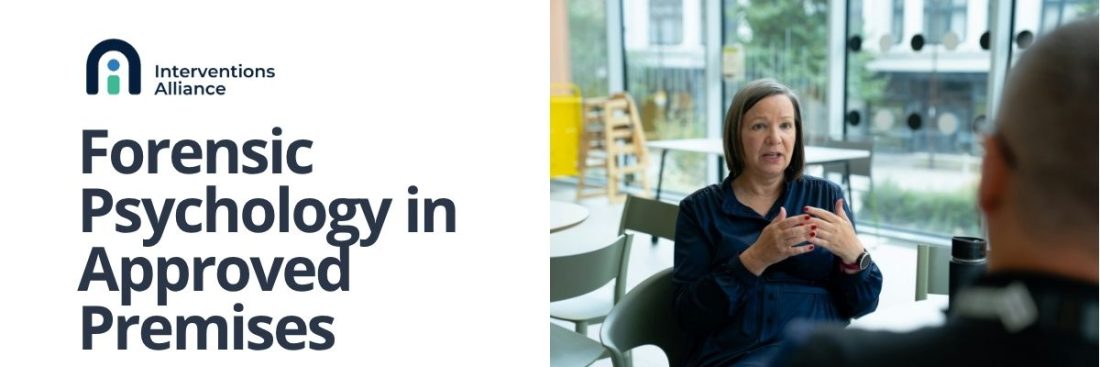
Forensic Psychologist Jade Hope works alongside staff and residents to ensure that psychological thinking is embedded throughout the service – from supporting practitioners through reflective practice and clinical supervision to shaping how the physical environment helps people feel safe enough to engage in change. 
Looking beyond risk
Approved Premises support people at one of the most significant transitions in their lives: leaving prison and returning to the community.
For Jade, that transition is about much more than managing risk.
“My role is to provide clinical oversight and organisational consultancy. That means helping staff understand residents’ individual needs, supporting evidence-based practice and contributing to the development of services that promote effective rehabilitation.”
Much of her work focuses on helping colleagues understand the psychology behind behaviour.
“When we understand why someone responds in a particular way, we’re better placed to support them safely and effectively.”
Supporting residents by supporting staff
One of Jade’s priorities is ensuring colleagues have the support they need to work confidently with people who often have complex needs and traumatic life experiences.
A typical day might involve reflective practice sessions, one-to-one clinical supervision, discussing service developments with managers or simply spending time talking with residents to understand how they’re experiencing life in the AP.
“Working in an Approved Premises can be emotionally demanding. Reflective practice and clinical supervision give collegues a safe space to think through complex situations, learn from their experiences and reduce the risk of burnout or compassion fatigue.”
That investment in staff ultimately benefits residents too.
“When practitioners feel supported, they’re better able to support others.”
Creating psychologically informed environments
Jade’s work extends beyond conversations and supervision.
One of the current projects she’s supporting focuses on applying sensory safety principles within the Approved Premises through the development of sensory gardens, sensory maps and calming spaces.
These initiatives help both residents and staff better understand how sensory needs can influence emotions and behaviour.
“Paying attention to sensory needs can help prevent situations from escalating and give people practical ways of regulating their emotions.”
It’s one example of how psychology shapes not only what happens inside an Approved Premises, but the environment itself.
Preparing people for life beyond the AP
According to Jade, one of the biggest challenges residents face comes at the very beginning – and the very end – of their stay.
“Leaving prison can be overwhelming. People are suddenly expected to make decisions, rebuild routines and navigate responsibilities they may not have experienced for years.”
Towards the end of their residency, a different challenge can emerge.
“Sometimes we see people unintentionally begin to sabotage their own progress. For some, prison has become familiar and predictable, while life in the community can feel uncertain. Understanding why those behaviours occur helps staff support residents through that transition rather than simply responding to the behaviour itself.”
This understanding also contributes directly to public protection.
“Psychology helps people recognise their own early warning signs, understand what triggers them and develop healthier ways of responding before situations escalate.”
Redefining success
One of the biggest misconceptions about Approved Premises, Jade says, is that people assume residents are too dangerous to be living in the community.
“In reality, residents have been assessed as suitable for release. An Approved Premises provides the structure, support and accountability that helps them continue that journey safely.”
Success isn’t measured by someone having a perfect stay.
Instead, it’s often found in the smaller moments.
“A resident recognising their own triggers, communicating when they’re struggling or managing conflict without returning to harmful behaviour are all signs that someone is developing the skills they’ll need beyond the AP.”
These moments may seem small, but they are often the foundations of lasting rehabilitation.
A career that develops you too
For Jade, working in an Approved Premises offers something few other criminal justice settings can.
“There aren’t many places where you see the final stage of someone’s journey through the justice system. For many residents, an Approved Premises is the bridge between the life they’ve known and the life they’re hoping to build.”
Supporting that transition is both professionally and personally rewarding.
“You develop a much deeper understanding of offending behaviour, communication, trauma and rehabilitation, but you also learn a great deal about yourself. You discover how you respond under pressure, how you build relationships and how you work as part of a multidisciplinary team.”
For anyone considering a career in an Approved Premises, Jade believes that’s what makes the role so unique.
“Guiding someone across that bridge is a privilege. Every day you’re helping create the conditions where positive change becomes possible – for individuals, for staff and ultimately for safer communities.”